Félix Lope de Vega y Carpio (Madrid, 1562-1635) was one of the most important poets and playwrights of the Spanish Golden Age. He studied at the University of Alcalá de Henares and led an eventful personal life, with multiple romantic relationships and marriages. He was an enormously prolific figure, author of a vast body of works that includes comedies, autos sacramentales, lyrical, epic poems, and novels. He is credited with approximately 3,000 sonnets, 3 novels, 9 epics, 3 didactic poems, and thousands of comedies, of which nearly 500 are preserved. He renovated Spanish theater, creating a dramatic formula that fused the tragic and the comic, incorporating popular elements and themes from Spanish history or chivalric tradition. Some of his best-known works are "Fuenteovejuna," "El caballero de Olmedo," and "Peribáñez y el Comendador de Ocaña." His legacy is fundamental for understanding Spanish literature and the history of theater.
 Obras de Lope de Vega ; publicadas por la Real Academia Española: Autos y coloquios (fin)
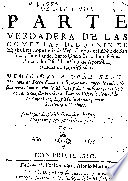
 Parte veintecinco, perfeta y verdadera, de las comedias del Fenix de España Frey Lope Felix de Vega Carpio ...
 Obras de Lope de Vega ; publicadas por la Real Academia Española: Crónicas y leyendas dramáticas de Espana. Sec. 1-6
Use the search bar to find the book you want
 Español